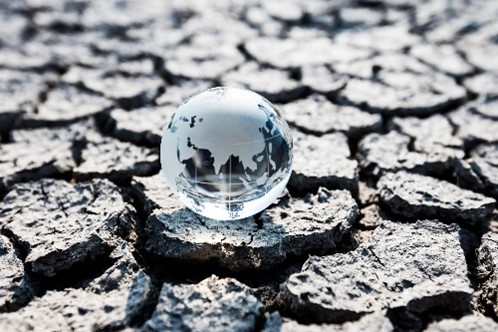

In the face of global challenges, key lessons about sustainability come to the forefront. The COVID-19 pandemic, water and energy crises, and adverse weather events have provided profound insights into the interconnectedness of the environment, human-social nexus, and economic landscapes. These crises emphasize the urgency of sustainability and the need for proactive measures to build a resilient and sustainable future. This article explores these essential lessons drawn from these crises and their potential to inform sustainable practices moving forward.
The COVID-19 Pandemic: Prioritizing Health and Resilience
The COVID-19 pandemic not only tested healthcare systems but also highlighted the critical importance of health as an integral part of sustainability. Businesses and communities found themselves compelled to prioritize the health and safety of individuals, demonstrating that the well-being of employees and society at large is central to long-term sustainability. Interesting sustainability strategies emerged, including remote work, improved health and safety protocols, and investments in mental health support for employees.
Ecobank, a major African banking institution, adopted various measures such as remote working, flexible hours, and financial support for employees affected by the pandemic. They also promoted mental health awareness and offered counselling services.
This crisis emphasized that a sustainable future must prioritize the well-being of individuals and communities as vital for business continuity and societal health.
Water and Energy Crises: Resource Efficiency and Conservation
Scarcity of water and energy resources in various regions has exposed the fragility of resource-dependent systems. These crises highlight the need for resource efficiency and conservation as key sustainability imperatives. Innovations in water and energy management, waste reduction, and investments in renewable energy sources must be explored by businesses and governments alike. Practices like rainwater harvesting, water recycling, and energy-efficient technologies not only demonstrate environmental responsibility but also improves financial bottom-line.
Lessons from these crises prompt businesses to reevaluate resource consumption and prioritize sustainable alternatives for resource security and reduced environmental impact.
Changing Weather Events: Climate Resilience and Adaptation
Adverse weather events, such as wildfires, hurricanes, and extreme temperatures, have exposed vulnerabilities in infrastructure due to a changing climate. These events emphasize the critical need for climate resilience and adaptation. Businesses should integrate climate risk assessments into their strategies, strengthen infrastructure, and develop disaster preparedness plans. Individual businesses can create policies and practices to reduce greenhouse gas emissions. However, collective action among business leaders has a broader impact in preventing further climate-related crises.
The Africa CEO Forum, one of the largest gatherings of African business leaders, regularly addresses climate change and sustainability during its annual meetings. The forum brings together CEOs, policymakers, and experts to discuss strategies for sustainable development and climate resilience in Africa.
Addressing climate change and building resilience are essential for long-term sustainability and risk management.
Whether the COVID-19 pandemic, water and energy scarcity, or adverse weather events, offer profound lessons in sustainability. They serve as reminders that sustainability is an active and interconnected endeavor encompassing health, resource efficiency, and climate resilience. These lessons prompt businesses, governments, and individuals to reassess their practices, prioritize well-being, conserve resources, and proactively address climate change. These lessons, a path towards a more sustainable and resilient future can be forged, safeguarding both the planet and communities.