

In an era marked by widespread misinformation, the importance of clear, credible, and accountable reporting cannot be overstated. Voluntary disclosure is not only about providing more data, but a means to reclaim and reinforce trust in the face of growing skepticism. In this article, we dive into the critical realm of sustainability reporting, exploring the nuances of voluntary disclosure, and its pivotal role in countering the erosion of trust.
As the world grapples with misinformation and other global risks, sustainability reporting is an indispensable tool.
See previous article on risks Sustainability Lessons for Businesses from Crises: COVID-19, Water and Energy Scarcity, and Adverse Weather Events
Global Risks Perception Survey (GRPS), which has gathered insights from over 1,200 experts spanning academia, business leaders, government, the international community, and civil society. These experts have highlighted a shifting landscape of global risks, with short-term concerns encompassing the cost of living, erosion of social cohesion and thereby trust, and large-scale migration. In the long term, while these issues remain pertinent, health, employment, and misinformation are also emerging as notable threats.
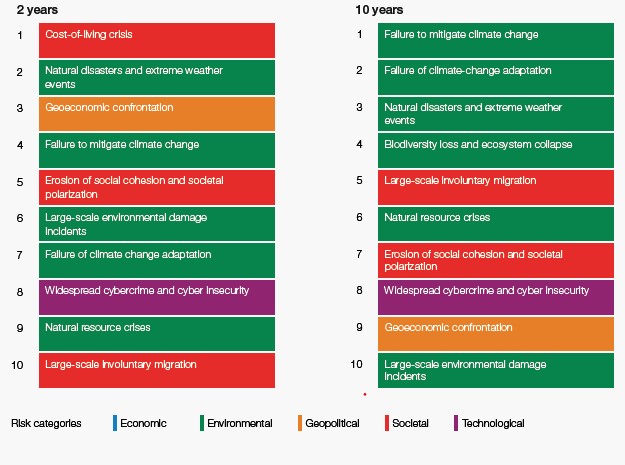
Extract from Global Risk Report 2023 https://www.weforum.org/publications/global-risks-report-2023/
Interestingly, companies engage in both voluntary and non-voluntary disclosures of sustainability information, a practice influenced by factors such as company size, industry, and listing status. Within sustainability reporting, voluntary disclosure is of particular significance. Beyond fulfilling regulatory obligations, organizations voluntarily share additional details about their sustainability endeavors, performance metrics, and corporate responsibility initiatives. This voluntary disclosure demonstrates the entity’s commitment to transparency, accountability, and proactive global risk mitigation. It contributes to building trust among stakeholders by providing a more comprehensive and reliable view of the organization’s sustainability efforts, countering the erosion of trust rooted in transparency deficits. Read further Assessing Impact through multi-stakeholder lens
Moreover, as the demand for sustainability information continues to grow, voluntary disclosure not only addresses some of the highlighted risks, but also strengthens the credibility and reliability of organizations’ sustainability reporting.
Misinformation and disinformation pose a substantial threat to social cohesion and trust, transparency and accurate information have never been more critical. The spread of extremist beliefs and manipulation of political processes media underscore the urgency of addressing this challenge. Consequently, to counter these risks, companies must consider using voluntary disclosure strategically.
By providing stakeholders with clear, truthful, and comprehensive information, companies can pave the way for restoring trust and reducing information asymmetry. Most cooperate governance signaling literature suggests that increased voluntary disclosure can show their commitment to core values such as integrity, and transparency.
In an era marked by a rapid proliferation of misinformation and a gap in regulatory oversight and educational initiatives to address it effectively, voluntary disclosure stands out as a crucial instrument in countering information manipulation and rebuilding trust. As regulations struggle to keep pace with the dynamic nature of misinformation, and literacy efforts often fall short in equipping individuals with the necessary skills to discern truth from falsehood, voluntary disclosure offers a proactive approach for organizations to transparently share accurate information, thereby bolstering credibility and fostering trust among stakeholders.
In sustainability reporting and business information disclosures, several factors influence decision-making. Some are strategic, while others stem from an increasing acknowledgment of material conditions as critical to long-term success. The drivers for sustainability reporting include:
- Risk Management: Sustainability reporting helps identify and manage risks and opportunities related to environmental, social, governance (ESG) factors and other material risks. It provides a platform for assessing and disclosing the company’s preparedness to address these risks, which can be vital for risk-conscious investors.
- Expanded Stakeholder Focus: Financial reporting primarily serves the interests of shareholders and investors. However, businesses have a wide range of stakeholders, including employees, customers, suppliers, local communities, and society at large. Sustainability reporting acknowledges the importance of addressing the needs and concerns of these diverse stakeholders.
- Non-Financial Impact: Many aspects of a company’s impact on society and the environment cannot be adequately captured through financial reporting. These non-financial impacts include environmental effects, social responsibility, ethical practices, and contributions to community development. Sustainability reporting allows organizations to account for and communicate these aspects.
- Enhanced Reputation and Trust: Demonstrating commitment to sustainability and ethical practices through reporting can enhance a company’s reputation and build trust with stakeholders. This can lead to increased customer loyalty, positive brand image, and better relations with regulators.
- Compliance and Regulation: In response to the growing demand for transparency and accountability, many countries and regions have introduced regulations and reporting requirements related to sustainability. Businesses are obligated to disclose their ESG practices to comply with these rules.
- Investment and Capital demands: Investors, consumers, and shareholders have increasingly sought information about a company’s environmental and social performance. Sustainability reporting responds to this demand and helps companies attract responsible investors and socially conscious consumers.
- Competitive Advantage: Sustainability reporting can provide a competitive advantage. Companies that excel in ESG performance may outperform their peers in attracting capital, talent, and customers.
Importantly, companies that invest in sustainability reporting should be thoughtful about creating meaningful metrics and assessing their information disclosure risks. By doing so, they not only enhance their reputation but also address risks, serve diverse stakeholders, and contribute to a sustainable, transparent, and trustworthy future.”
In an age of increasing global risks, sustainability reporting emerges as a beacon of trust, transparency, and accountability. Voluntary disclosure plays a pivotal role in showcasing an organization’s commitment to truth, integrity, and proactive efforts to address the world’s most pressing challenges. As misinformation and disinformation continue to threaten social cohesion and trust, companies have the unique opportunity to restore faith in institutions through robust sustainability reporting. This practice not only provides a comprehensive view of a company’s sustainability initiatives but also signals its dedication to the values of transparency, credibility, and responsible action. With the world in a state of flux, where regulatory constraints and educational efforts may struggle to keep pace with evolving information landscapes, voluntary disclosure stands as a crucial tool in the battle against information manipulation and the erosion of trust.
Reference
-Mostafa and Elfeky. (2017). The extent of voluntary disclosure and its determinants in emerging markets: Evidence from Egypt
-World Economic Forum. (2023). Global Risk Report 18th Edition.





One Comment