The U.N. Intergovernmental Negotiating Committee on Plastic Pollution is underway in Kenya marking a crucial juncture in addressing the pressing issue of plastic pollution, with government delegations deliberating on the creation of a groundbreaking treaty. At the heart of the discussions lies a pivotal question: should there be unilateral targets imposed on plastic production, or should individual states retain the autonomy to set their own commitments? The ambition underscores the intricacies involved in reaching a consensus. Transitioning to the complexity of climate agreements, it is undeniable, highlighting the challenges inherent in developing regulations that balance global cooperation for climate action with the diverse needs of individual nations.
The saga of collective environmental agreements, with milestones like the Paris Agreement, signifies a collective global acknowledgment of the urgent need for collaborative action on environmental challenges. The journey commenced with the United Nations Conference on the Human Environment in 1972, gaining momentum over the years. The formation of the Intergovernmental Panel on Climate Change (IPCC) in 1988 highlighted the significance of understanding climate science. While the Kyoto Protocol of 1997 marked a pivotal step, it was the 2015 Paris Agreement that brought together nations worldwide to combat climate change inclusively, aiming to limit global warming below 2 degrees Celsius. This historical progression underscores a continuous evolution towards comprehensive and collaborative environmental agreements, emphasizing the interconnectedness of nations in safeguarding the planet.
Read here on upcoming case study on Italy’s dissent regarding the EU’s ban on internal combustion engines adds to the discussion about global environmental commitments and states’ interests.
While global environmental agreements foster international cooperation, lets make a few acknowledgements that . Firstly, there are disproportionate environmental impacts on developing countries. The geopolitical landscape raises questions of equity, necessitating a nuanced understanding of global responsibilities. While all nations must participate in climate action, acknowledging that measures might pose short-term challenges for developing states is imperative. Balancing environmental sustainability with the developmental needs of emerging economies requires considerate global policymaking, ensuring an equitable distribution of the climate action burden and fostering a just and cooperative approach to environmental governance.
Secondly, the history of plastic dates back to the late 19th century when it was first introduced as a revolutionary and versatile material. Initially hailed for its durability and affordability, plastic became a cornerstone of various industries and a bed rock for many business. Read further Balancing Profits, People, and the Planet: The Triple Bottom Line Approach
However, as its production skyrocketed in the mid-20th century, the environmental repercussions started to emerge.
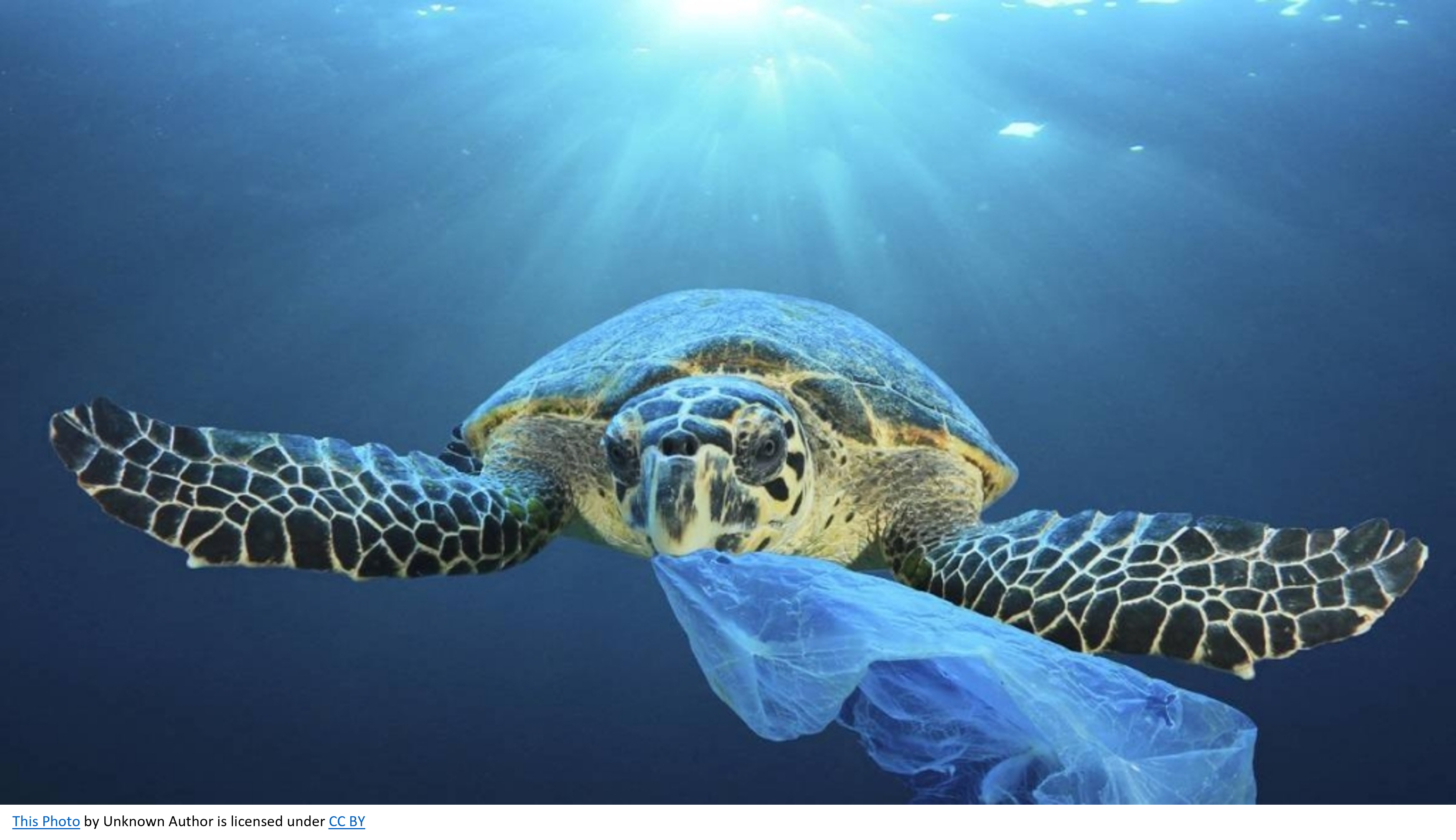
Plastics, designed to last indefinitely, posed a significant threat to climate action. The persistence of plastic waste, particularly in oceans and landfills, led to widespread environmental degradation. The reliance on fossil fuels for plastic production further exacerbated its impact on the climate . Furthermore, the vast quantities of plastic waste that find their way into oceans and water bodies pose severe consequences. Of note, marine species, from the smallest plankton to the largest whales, are adversely affected. For instance, plastic debris often mistaken for food, is ingested by marine species, leading to internal injuries, blockages, and, in many cases, death.
The once-celebrated innovation became a pressing challenge for sustainability, necessitating global efforts to address its environmental consequences and integrate responsible practices into the production and consumption of plastic. Therefore, it would be beneficial to improve product development and find ways to circularize material and innovations.
Thirdly, the right combination of approaches are needed to tackle the global challenge of plastic waste. As it stands, the proposed agreement takes a dual-fold approach, offering countries flexibility to establish their targets while setting minimum standards. In this regards, such an approach recognizes varied contexts and challenges, respecting national sovereignty while fostering global collaboration. Striking a balance between adaptability and a common minimum standard which ensures a unified effort.
As global representatives discuss the draft to end plastic waste in Kenya is a comprehensive initiative tackling the multifaceted challenges of plastic pollution. It covers the entire life cycle of plastics, addressing chemicals and polymers regulation, sustainable product design, and waste management. Emphasizing Extended Producer Responsibility (EPR), it compels producers to integrate recycled materials and participate in recycling schemes, ensuring a just transition for affected populations. The draft introduces mechanisms for transparency, tracking, and voluntary disclosures, facilitating safe use, recycling, and disposal. Its innovative financing aspect proposes a plastic pollution fee on producers to fund crucial initiatives, emphasizing international cooperation and information exchange.
Through innovation, we discovered plastic; this possible ban or harsh environmental agreement on plastic waste makes us reflect on how, as the world changes and the environment becomes more important, navigating the landscape of material science is crucial for the de-transition or ex-novate from one material to another. Global commitments can be enablers if employed well.
References
UN Climate Change Conference COP 27 Outcomes
World Wild Life Marine Biodiversity Threat