
Just Transition: Integrating Circular and Green Economy Opportunities into Social Labor Plans
Africa, contributing around 3% to global emissions, faces notable emissions from mining activities, especially in South Africa, Botswana, and the Democratic Republic of Congo. Interestingly, coal mining predominantly contributes to emissions, with other minerals like gold, copper, and iron ore also playing a role. The surging demand for minerals underscores the urgency for sustainable production methods to minimize the socio-economic impact of mining. Social Labor Plans offer a strategic opportunity in this context.
Social Labor Plans (SLPs) sit at the heart of responsible mining, serving as both crucial compliance documents and comprehensive blueprints for community upliftment. They outline a company’s commitment to these twin goals, detailing specific plans for various areas. These key beneficiation plans encompass human resource development, mine closure strategies, socio-economic initiatives, and environmental management. Through these multifaceted plans, companies not only deliver tangible benefits to host communities, but also effectively manage operational risks associated with their activities. Read further on Social License to Operate: Escaping the Resource Curse.
Embracing SLP projects goes beyond mere obligation; it fosters mutually beneficial relationships between mining companies and the communities they impact. By demonstrating a genuine commitment to community well-being and environmental stewardship, companies earn trust and collaboration, solidifying their social license to operate. Additionally, transparent and well-implemented SLPs ensure compliance with regulatory requirements, mitigating potential legal and reputational risks. In essence, SLPs represent a powerful tool for mining companies to operate responsibly and sustainably. They create a framework for shared prosperity, where communities thrive alongside successful mining operations, all while adhering to environmental and legal standards.
Notably, when strategically designed Social Labour Plans can serve as instruments to drive sustainability, focusing on key practical concepts such as just transition, circularity, and the integration of green economy principles into SLP.
Just Transition
The International Labour Organization (ILO) has played a critical role in formalizing the concept of a just transition within the mining industry, emphasizing principles and practices for inclusive transitions toward environmentally sustainable economies. Within the context of Social Labor Plans (SLPs), a just transition transcends the mere mitigation of negative impacts; it involves proactively seeking avenues to generate positive outcomes for local communities and the environment.
Historically, traditional mining methods have resulted in significant environmental degradation, including deforestation, habitat destruction, water pollution, and soil erosion. Notably, the carbon footprint of the mining industry is expected to increase as global demand for minerals grows, highlighting the urgent need for a transition to cleaner technologies and practices. In this regard, the integration of just transition principles into SLPs is essential. 
This can includes adopting programs that invest in cleaner technologies, promoting renewable energy sources, and implementing measures to reduce greenhouse gas emissions throughout the mining lifecycle.
Moreover, a just transition within SLPs also entails actively engaging with local communities and stakeholders to understand their needs, concerns, and aspirations. By involving them in decision-making processes and providing opportunities for sustainable livelihoods, mining companies can foster social cohesion, enhance local resilience, and promote inclusive development.
Ultimately, integrating the concept of a just transition into SLPs demonstrates a commitment to responsible mining practices that prioritize environmental sustainability, social equity, and economic prosperity for present and future generations.
Circular and Green Economy
Integrating circular economy principles into SLPs prioritizes resource efficiency, waste reduction, and the recycling or repurposing of materials. This shift minimizes resource consumption, reduces waste generation, and promotes the reuse of materials, contributing to the conservation of natural resources. Circular SLPs involve responsible mining practices, environmental conservation, biodiversity protection, and ecosystem restoration. This includes measures to minimize the use of harmful chemicals, mitigate air and water pollution, and rehabilitate mined areas post-extraction.
Similarly, fostering community engagement and empowerment is crucial for a just transition in the mining industry. Involving local stakeholders in decision-making processes and providing opportunities for sustainable livelihoods enhances social cohesion, local resilience, and inclusive development.
Furthermore, integrating green economy opportunities into SLPs involves promoting sustainable energy solutions, eco-friendly technologies, and nature-based solutions for environmental restoration. This may include initiatives such as renewable energy projects, reforestation efforts, or biodiversity conservation programs.
Integrating circular and green economy opportunities into SLPs represents a proactive approach to sustainable development within the mining industry. By aligning SLPs with these principles, mining companies contribute to job creation, skills development, and the emergence of new business opportunities in host communities, fostering inclusive, resilient, and environmentally responsible communities.
Reporting Social Labor Plan Outcomes
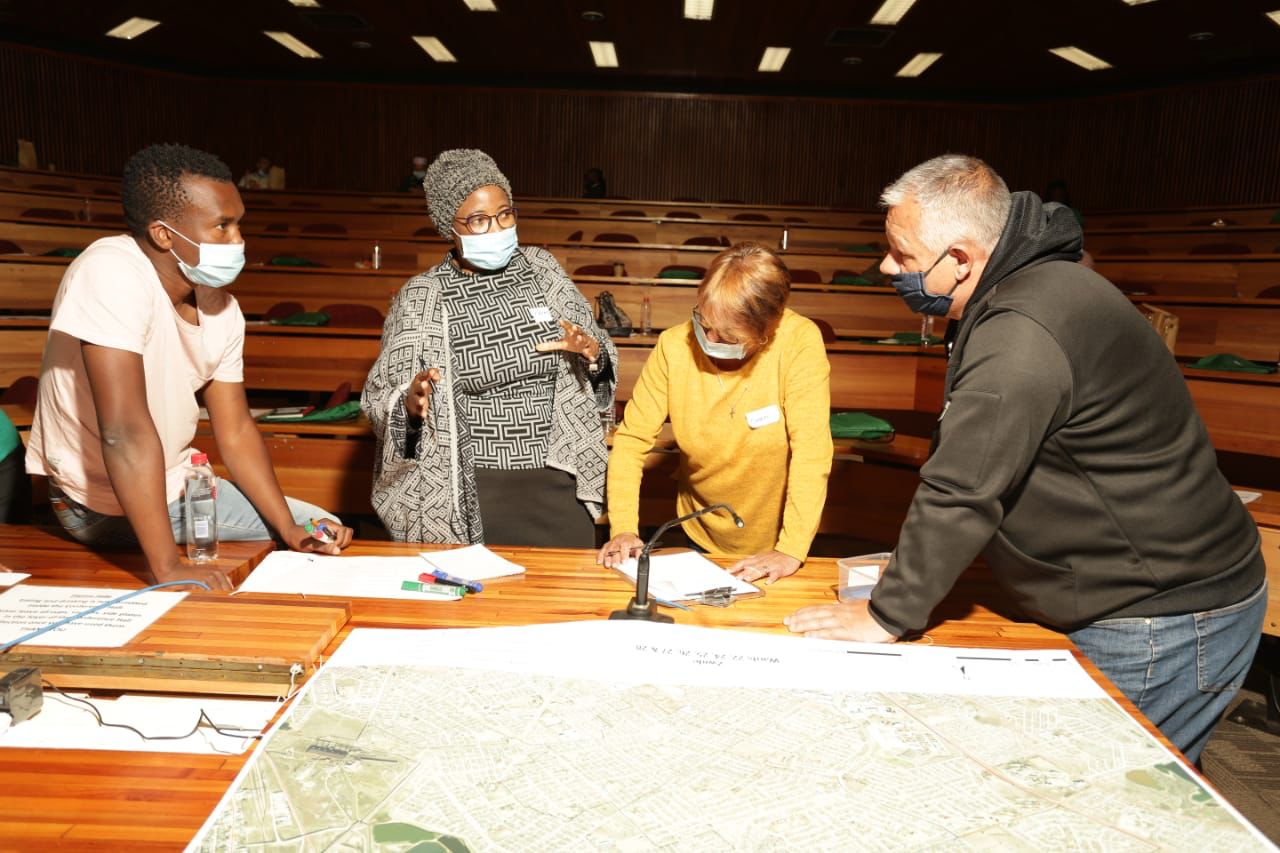
Transparent and rigorous reporting on SLP outcomes serves as a cornerstone for responsible mining practices, contributing to both risk mitigation and long-term socio-economic development. Read further on Can Voluntary Disclosure Restore Trust and Transparency Amidst Global Risks?
Beyond conventional sustainability reporting, proactive mechanisms focusing on key stakeholders are crucial for ensuring accountability and building trust. Transparent reporting allows for:
- Enhanced Risk Mitigation: Regular reporting sheds light on potential social and environmental risks, empowering companies to address issues proactively.
- Strengthened Stakeholder Engagement: Sharing clear SLP reports fosters open communication and dialogue with key stakeholders.
- Improved Decision-Making: Comprehensive reporting provides insights into the effectiveness of SLP initiatives, enabling refinement of strategies.
- Sustainable Relationships: Consistent and transparent reporting fosters trust and understanding, strengthening social license to operate.
Effective reporting strategies focus on stakeholder needs, ensuring clarity, accessibility, and relevance for each audience. Integrating stakeholder feedback into reporting practices strengthens communication and builds a collaborative approach to achieving shared goals.
In conclusion, transparent and stakeholder-centric reporting on SLP outcomes is not only a good practice but a vital component of responsible mining. It empowers companies to manage risks effectively, fosters trust with stakeholders, and contributes to a more sustainable and equitable future for all.