The cancellation of a mining project in Zambia’s Lower Zambezi National Park (LZNP) by the Zambia Environmental Management Agency (ZEMA) after a 12-year environmental standoff highlights the intricate trade-offs involved in Environmental, Social, and Governance (ESG) decision-making. Countries desire rapid economic growth, inclusive dividends, and economic participation of poor communities. However, these decisions require diplomacy and robust stakeholder engagement.
Background: Mwembeshi Resources Limited, primarily owned by a Chinese conglomerate, sought mining rights in LZNP in 2011. However, despite initial rejection of their Environmental Impact Statement (EIS) by ZEMA, the Minister overturned this decision in 2014, igniting opposition from environmental groups and local stakeholders.
ESG Factors at Play:
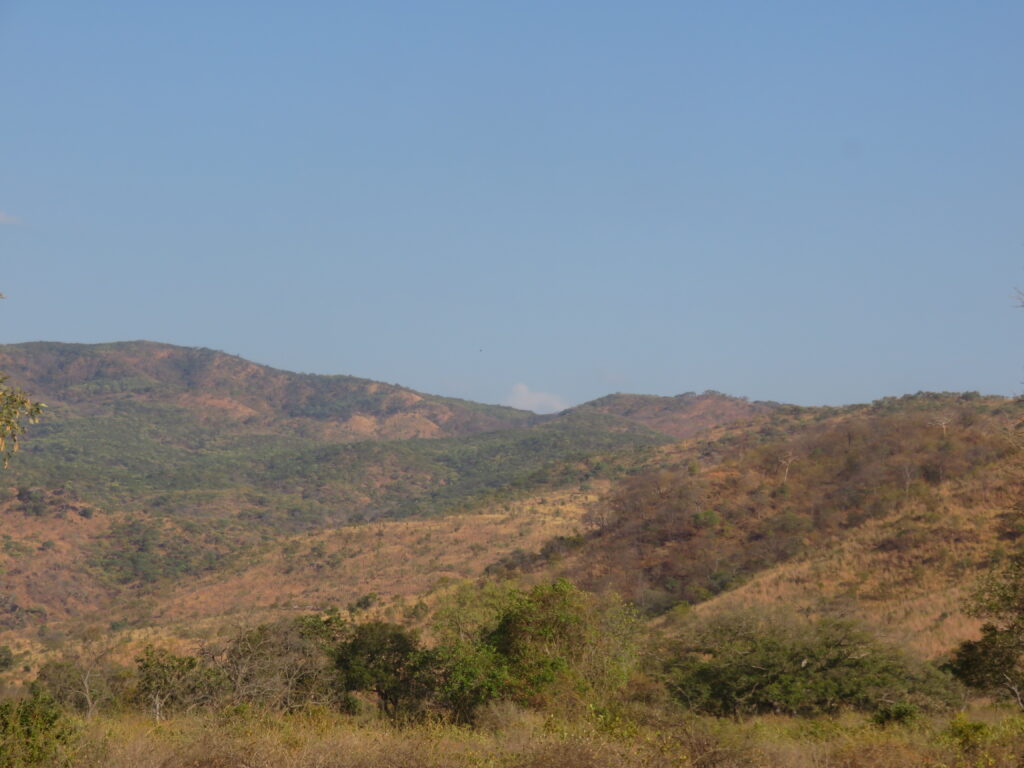
- Environmental Impact: The LZNP is a biodiverse ecosystem housing numerous endangered species. Furthermore, the proposed mining activities threatened irreversible damage, including habitat destruction, water pollution, and disruption of ecological balance.
- Social Implications: Local communities, reliant on the park for livelihoods and cultural significance, faced displacement and socio-economic upheaval. Moreover, potential conflicts over land use and resource allocation posed risks to community cohesion and well-being.
- Governance Issues: The regulatory approval process exposed governance flaws, raising concerns about transparency and accountability. The reversal of ZEMA’s decision underscored the need for robust governance frameworks to mitigate undue influence and ensure environmental protection.
Trade-offs and Considerations: The cancellation of the mining project reflects a prioritization of environmental conservation and social welfare over short-term economic gains. However, this decision entails foregone economic opportunities and necessitates sustainable alternatives for local development.
Conclusion:
The Lower Zambezi National Park mining project epitomizes the intricate ESG trade-offs inherent in resource development. It underscores the imperative of integrating environmental, social, and governance considerations into decision-making processes to achieve sustainable outcomes. Moving forward, fostering stakeholder engagement becomes paramount, recognizing that each stakeholder brings unique perspectives and interests to the table. Therefore, systematically gathering insights from diverse stakeholders, evaluating their values, and understanding their concerns are crucial steps in navigating the complex landscape of resource development. Moreover, strengthening regulatory mechanisms and promoting sustainable development practices are also essential for ensuring that the interests of all stakeholders are taken into account. By working together through collaborative efforts and inclusive decision-making processes, we can strive towards achieving a more balanced and equitable approach to resource development that benefits society as a whole.